These are the signs that he is cr…See more
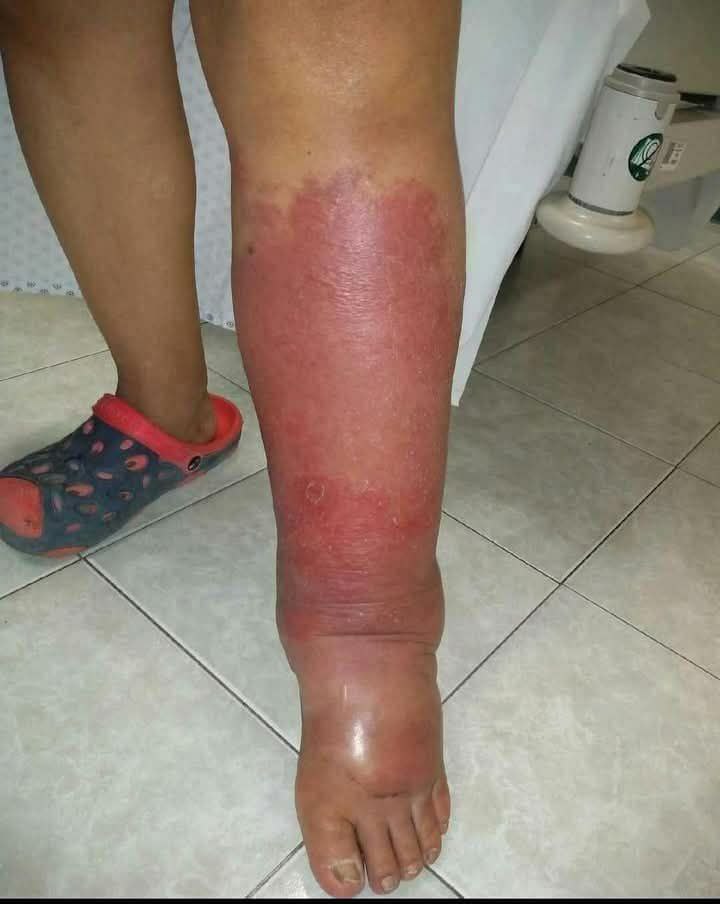
Signs on Your Feet That Something Is Wrong — What to Look For and When to Act
Prep Time: A few moments each day
Observation Time: Ongoing
Difficulty Level: Easy
Serves: Anyone who wants to stay alert to their body’s early warnings
Our feet carry us through life. They support our weight, help us move, and absorb shocks every day without complaint. But like any part of the body, they can also signal when something isn’t right.
Feet are often overlooked. They hide in socks and shoes, so changes can go unnoticed until discomfort becomes obvious. Yet subtle signs can appear well before serious problems develop. Learning to notice these early warnings is like reading a secret map your body leaves behind.
This article is a “recipe” for foot awareness—how to inspect, interpret, and act on what your feet are telling you.
Ingredients for Foot Awareness
-
A mirror for inspecting hard-to-see areas
-
Good lighting
-
Clean socks and shoes
-
A notebook (optional, for tracking changes)
-
Awareness and mindfulness
These tools help you catch early changes before they become serious.
Step 1: Examine Skin Changes
Discoloration
-
Pale or bluish skin may suggest poor circulation.
-
Red, inflamed areas could indicate infection, inflammation, or pressure points.
Dry, Cracked Skin
-
Often linked to fungal infections, eczema, or poor circulation.
-
Chronic dryness on heels may also suggest metabolic issues like diabetes.
Shiny Skin
-
Unusual shininess on the top of the feet may indicate circulatory problems, such as peripheral artery disease (PAD).
Observation tip: Compare both feet daily for subtle differences.
Step 2: Monitor Swelling
Mild swelling can be temporary, caused by long standing or sitting. But chronic or asymmetric swelling may indicate:
-
Heart or kidney problems
-
Venous insufficiency
-
Lymphatic issues
Check if swelling worsens in the evening or with activity. Persistent swelling is a sign to consult a healthcare professional.
Step 3: Notice Changes in Temperature
-
Cold feet can point to poor circulation or neuropathy.
-
Warm, red feet may indicate infection or inflammation.
Tip: Gently touch both feet daily. Temperature differences are important clues.
Step 4: Watch for Numbness or Tingling
-
Pins-and-needles or complete numbness may signal nerve damage.
-
Common causes: diabetic neuropathy, vitamin deficiencies, nerve compression.
Consistent numbness or tingling deserves professional evaluation, especially if accompanied by pain or balance issues.
Step 5: Inspect Nails Carefully
Discoloration
-
Yellow nails may suggest fungal infections.
-
Dark streaks or black nails could indicate trauma or, rarely, melanoma.
Thickness or Deformity
-
Thickened nails may signal fungal infection or circulatory issues.
-
Spoon-shaped nails can indicate iron deficiency or other systemic issues.
Cracking or Splitting
-
Frequent cracking may reflect nutritional deficiencies or repeated trauma.
Observation tip: Always inspect toenails after removing shoes and socks. Small changes over time matter.
Step 6: Check for Pain Points or Pressure Sores
-
Painful bumps, corns, or calluses reveal friction points.
-
Open sores or ulcers, especially on the bottom of the foot, can indicate diabetes-related complications.
Tip: People with diabetes or neuropathy may not feel minor injuries, so daily inspection is crucial.
Step 7: Notice Odor or Excessive Sweating
-
Strong, persistent odor may indicate fungal or bacterial infection.
-
Excessive sweating (hyperhidrosis) can lead to skin breakdown and infections.
Home remedy: Wash feet daily, dry thoroughly, and change socks frequently. Persistent issues should be checked by a professional.
Step 8: Monitor Foot Shape and Structure
Changes in foot shape may indicate underlying problems:
-
Flat feet developing in adulthood may cause joint strain.
-
High arches can create pressure points.
-
Bunions or hammertoes may progress over time.
Tip: Compare foot structure monthly and note any discomfort while walking.
Step 9: Look for Color Changes in Toenails After Trauma
-
Black or dark nails often result from minor trauma (like stubbing toes).
-
If it appears spontaneously or spreads, seek evaluation—rarely, it can be a warning sign of melanoma.
Step 10: Track Circulation Clues
-
Delayed return of normal color after pressing the toes may indicate circulatory problems.
-
Swelling plus cool skin is an important sign.
Tip: Elevate feet occasionally and notice if swelling or discoloration persists.
Step 11: Recognize Infections Early
-
Fungal infections: peeling skin, itchy toes, thick nails
-
Bacterial infections: redness, warmth, swelling, pus
-
Ingrown nails: pain, redness, swelling at the nail edge
Prompt treatment prevents more serious complications.
Step 12: Be Aware of Foot Fatigue or Cramping
-
Persistent cramping may be linked to electrolyte imbalance, dehydration, or circulation problems.
-
Foot fatigue or pain after minimal activity may indicate orthopedic or vascular concerns.
Step 13: Observe Gait Changes
-
Limping, uneven stride, or favoring one foot can indicate pain, joint problems, or nerve issues.
-
Balance issues may also show in foot placement and posture.
Tip: Watch yourself walking, especially when wearing shoes with good support.
Step 14: The Importance of Socks and Shoes
Poor footwear can exaggerate many foot problems:
-
Tight shoes = corns, calluses, bunions
-
Flat soles = strain on arches and ankles
-
Synthetic socks = trapped moisture, fungal growth
Tip: Opt for breathable socks and properly fitting shoes to prevent foot problems.
Step 15: Track Changes Over Time
Keep a small notebook or phone log with:
-
Color changes
-
Swelling
-
Pain or numbness
-
Nail changes
Consistency helps professionals see patterns early, improving diagnosis and treatment.
Step 16: Foot Health as a Window to Whole-Body Health
Feet often reflect systemic conditions:
-
Diabetes: numbness, ulcers, delayed healing
-
Circulatory issues: cool, pale feet, swelling
-
Vitamin deficiencies: nail changes, cracks
-
Thyroid disorders: dry, coarse skin
Pay attention—foot changes may be the first visible signs.
Step 17: When to Seek Medical Advice Immediately
Seek help urgently if you notice:
-
Open sores or ulcers that won’t heal
-
Persistent redness, warmth, or swelling
-
Numbness or tingling that affects daily function
-
Sudden color changes (purple, black, or very pale)
-
Painful, deformed toes or bunions
-
Signs of infection (pus, foul odor, fever)
Early evaluation can prevent complications.
Step 18: Daily Foot Care Routine
Here’s a practical daily routine to keep feet healthy:
-
Inspect: Look for changes in color, nails, swelling.
-
Wash: Use mild soap and warm water.
-
Dry thoroughly: Especially between toes.
-
Moisturize: Avoid the space between toes to prevent fungal growth.
-
Trim nails carefully: Straight across, not too short.
-
Wear supportive shoes: Avoid tight or worn-out footwear.
Consistency is key for prevention.
Step 19: Simple Home Observations That Reveal Problems
-
Sores that don’t hurt but don’t heal → diabetes check
-
Discolored toenails → fungal infection or trauma
-
Feet colder than usual → circulation check
-
Swelling more pronounced in evenings → heart or kidney evaluation
Even small observations are valuable if tracked over time.
Step 20: Final Takeaway
Feet carry us, but they also communicate quietly.
From skin changes to nail abnormalities, swelling, or unusual sensations, feet can give early warnings about local or systemic health issues. Paying attention is simple, inexpensive, and can prevent serious complications.
By observing, documenting, and acting on changes, you treat your feet as a barometer for overall health, not just as support for walking.
In One Sentence
Your feet reveal vital clues about circulation, nerve health, infection, and systemic conditions—daily attention can catch problems early and save years of discomfort.
Closing Thought
Feet often go unnoticed until they hurt.
Listening to them before pain appears is a small habit that can protect your mobility, comfort, and overall health for decades.